 Governance and Energy-Environmental Models_test
Sectoral territorial planning
Sectoral planning in the fields of air quality, climate and energy now requires robust technical tools, multidisciplinary integration capabilities and a strategic vision able to support Public Administrations through the ongoing environmental transformations. In this context, TerrAria offers an environmental consultancy service and support for sectoral planning in air quality, climate and energy, through data analysis, assessment scenarios and forecasting models, combined with constant attention to regulatory consistency and knowledge of local contexts.
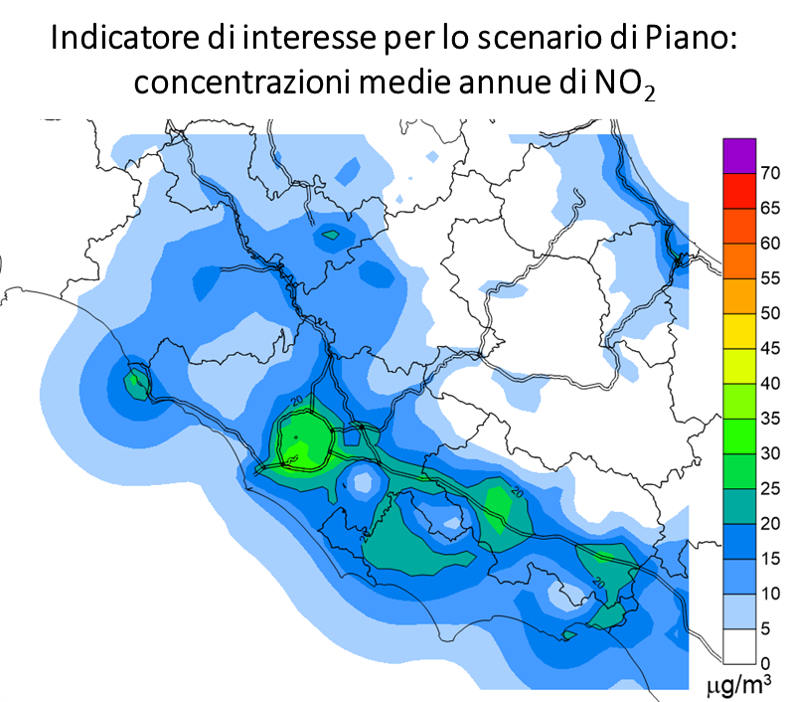
The service includes the drafting and updating of air quality and climate plans, starting from the analysis of the environmental context and emission sources, with the aim of identifying and assessing the effectiveness of measures to reduce air pollution through a modelling-based approach, thereby supporting the definition of air quality policies.
Within local energy planning, TerrAria supports public bodies in defining strategies for emissions reduction and energy efficiency, including the preparation and monitoring of Sustainable Energy and Climate Action Plans (SECAP). The activities rely on advanced operational tools such as the proprietary CO20 software, developed specifically to assist Covenant of Mayors signatories in data collection, measure assessment and results monitoring.
In addition, environmental consultancy activities include climate transition and adaptation strategies based on the analysis of climate scenarios, climate-altering emissions, risks and territorial vulnerability. TerrAria supports Administrations in defining mitigation and adaptation pathways capable of strengthening territorial resilience, integrating existing planning instruments and steering public choices towards sustainable and climate-consistent development models.
In parallel, TerrAria supports Public Administrations in Strategic Environmental Assessment (SEA) processes, ensuring an in-depth reading of the environmental implications of territorial and sectoral plans and programmes. SEA makes it possible to identify critical issues, strengthen the internal consistency of planning instruments and effectively integrate environmental considerations into strategic decisions. In this way, environmental policies can be developed, contributing to genuine sustainable development and the prevention of negative environmental impacts.